When the uplink drops on a Friday night
Why Island Mode is table stakes for any facility platform serving ranges, escape rooms and courts: a 60-minute ops story from real offline failures.
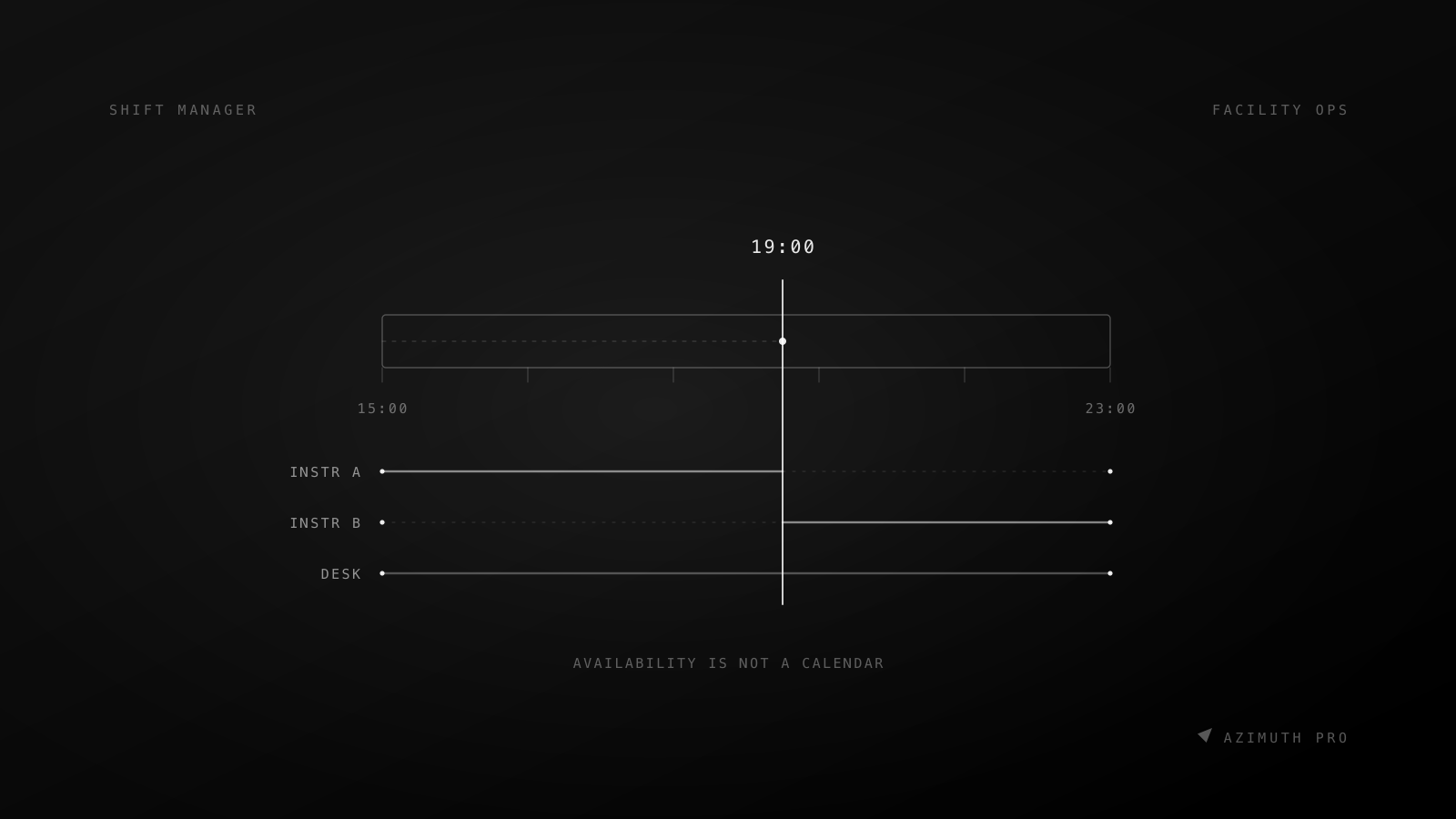
Here is the scenario we walked through with a range owner last month. A Friday evening. Ten people in the ammo-prep area, four lanes booked back-to-back until 23:00, two staff on shift. The fiber uplink drops at 19:04.
On a generic booking plug-in, the next 180 minutes look like this: customers who already arrived stand in the lobby because the check-in kiosk can't validate PINs. The two scheduled stag parties at 20:30 don't get the lane-assignment email so they show up at reception asking which lane is theirs. Paper waivers come out. Reception staff dig through the printed backup lane chart from last Saturday. Revenue still gets collected - in cash, on a notebook - because the POS is also down.
This is what "our software is cloud-first" actually means in practice.
Island Mode is the operational answer
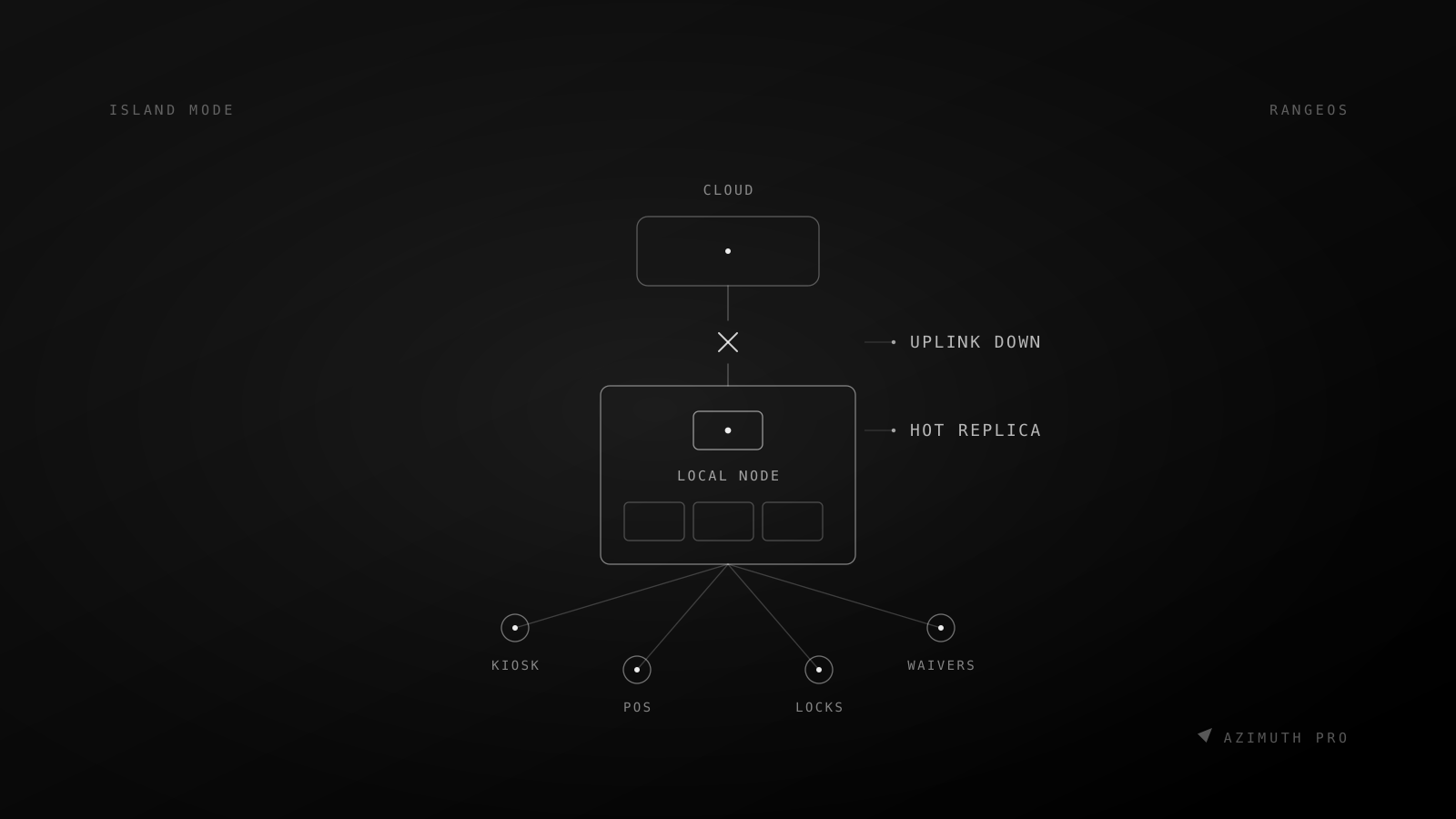
When we designed rangeOS, we treated the uplink as unreliable by default. A dedicated local node - a mini-server sitting in your equipment rack - holds a hot replica of everything the facility needs to run tonight: active bookings, customer profiles, lane availability, waiver records, ammunition balances, staff PINs, LockController configs. Queue, don't block.
When connectivity drops:
- Check-in keeps working. Kiosk validates PINs against the local replica. Customer steps up, taps their PIN, lane goes green, LockController unlocks the gate. Nobody in the lobby notices.
- Bookings can still be made. Walk-ins get added to the local queue. New reservations write locally and ship up when the uplink returns.
- POS keeps ringing. Payments get authorized against stored terminal tokens or fall back to offline-mode receipts that reconcile automatically later.
- Locks and scenes keep firing. Your booking-triggered IoT automations - lights on at arrival, ventilation at session start, doors unlocked at waiver-signed - run against the local state machine. Same timing as online.
The reconcile is the magic
Resilience is the easy part. The hard part is what happens when the uplink comes back at 21:40 and the cloud now has two competing realities: yours from before the drop, and your local node's from during the drop.
rangeOS reconciles deterministically. Every local event has a monotonic timestamp and a node identifier. On reconnect, the local node ships its queue to the cloud, the cloud merges them into the canonical timeline, and both sides converge within seconds. If a conflict ever does happen - the same shooter somehow booked twice from two terminals - staff get a single flagged entry to resolve, not a spaghetti cleanup project.
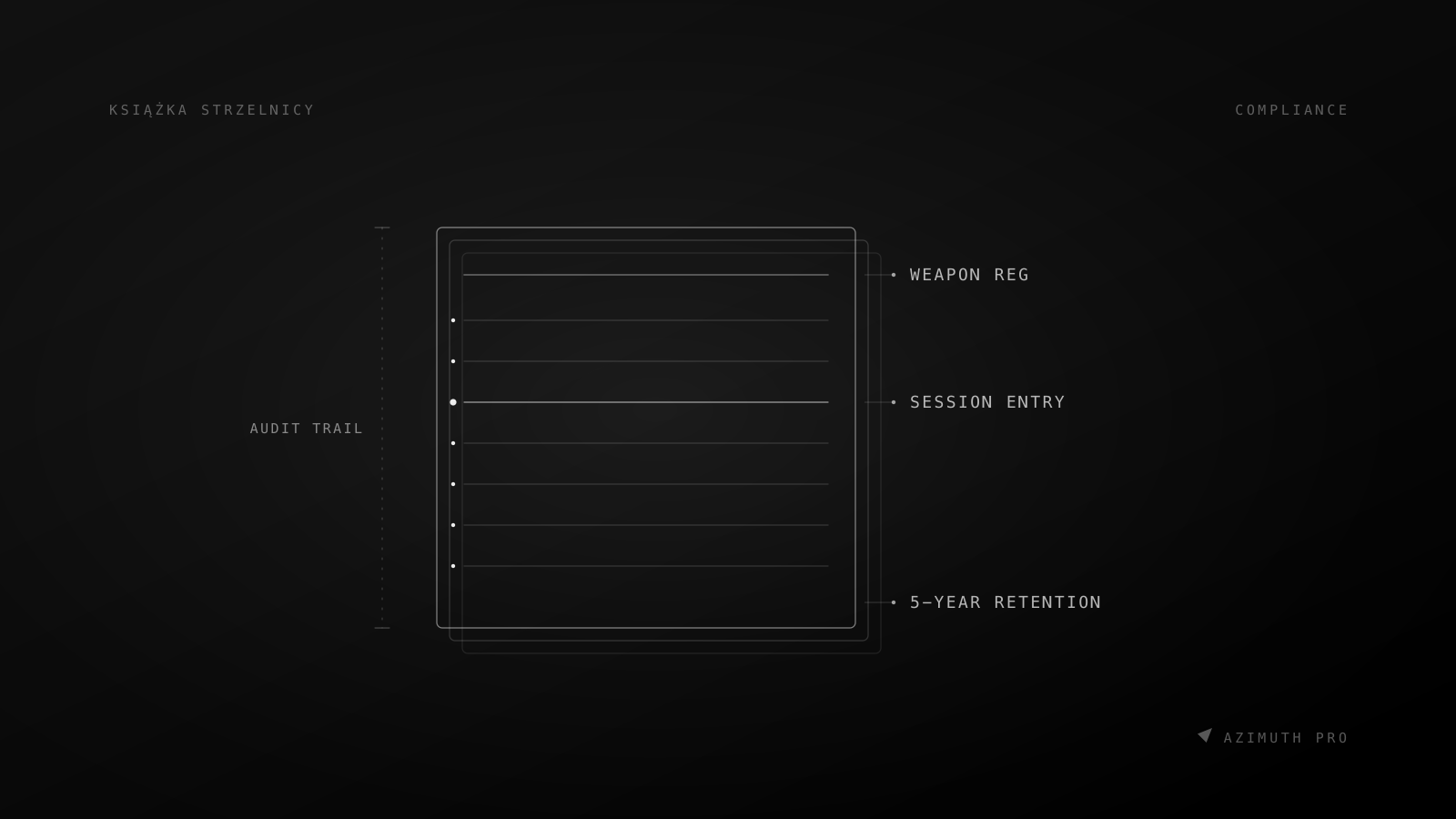
We log the whole reconcile window to the audit trail so you know exactly which 86 minutes ran on local state. If an insurer or the police asks, you have the timeline to the second.
What this means for you
If you are comparing Azimuth PRO against another vendor, ask them one question: "What happens in our lobby if the internet goes out at 19:00 on a Saturday?"
If the answer involves paper, phone calls, or "we mostly don't have outages any more", you already know what will happen on the one night it matters.
Island Mode is not a premium feature on our pricing page. It ships on every installation, on every silo, from day one. It is table stakes - not because we are generous, but because we do not think a facility platform without it is a facility platform.